2026 Presenters
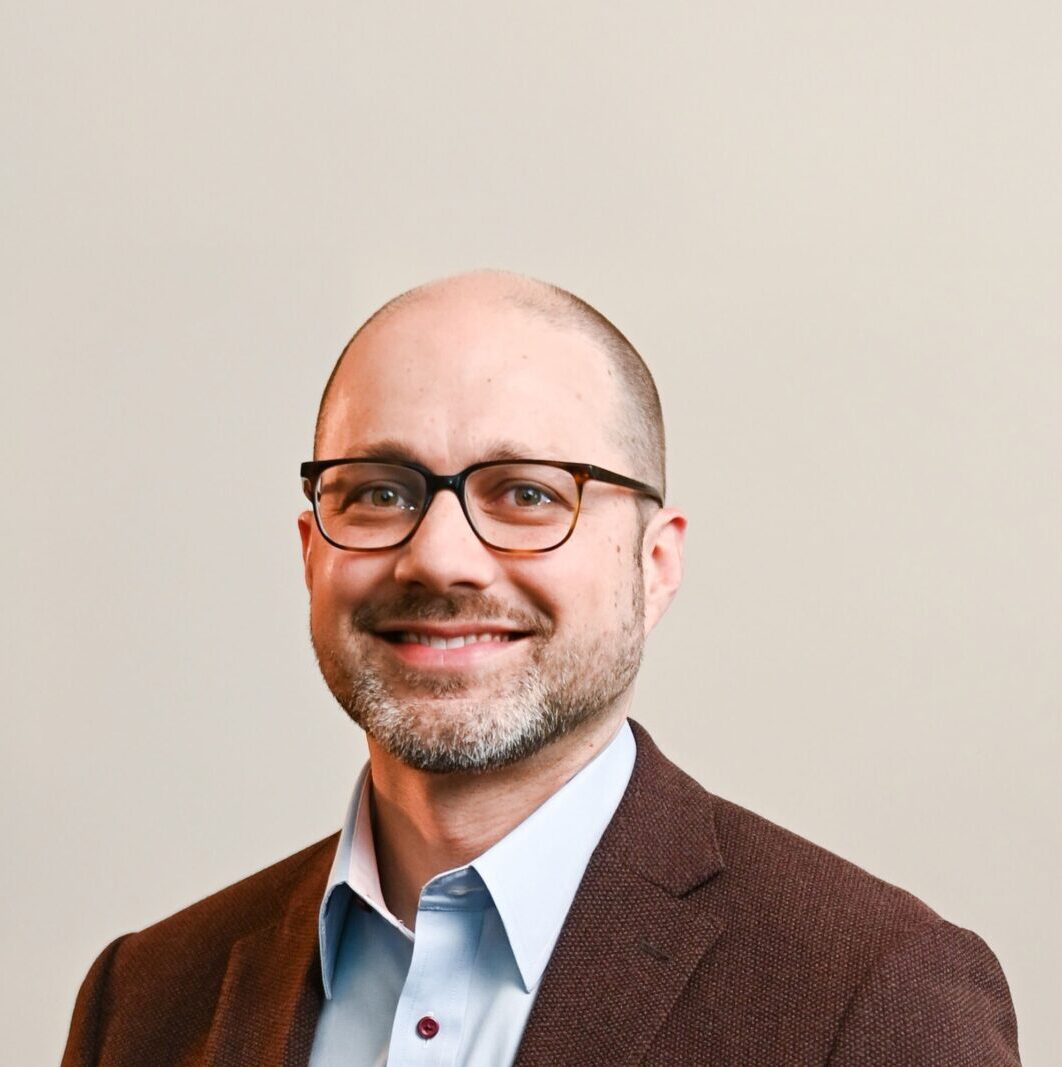
Jonathan Behr
Speaker
A Partner with SV Health Investors, Jonathan Behr, Ph.D., co-leads the Dementia Discovery Fund (DDF) and serves as a Director or Observer on the Boards of several DDF portfolio companies, including Montara Therapeutics, Nitrase Therapeutics, QurAlis, Ribometrix, Sudo Therapeutics, Transposon Therapeutics and Violet Therapeutics, and had served on the Board of Caraway Therapeutics (acquired by MRK).
Previously, Jon was the first Managing Director of the T1D Fund, where he built the fund’s investment strategy, team, and portfolio, leading to notable successes such as Inversago Therapeutics (acquired by NVO), Pandion Therapeutics (PAND, acquired by MRK), Provention Bio (PRVB, acquired by SNY), and Semma Tx (acquired by VRTX). Before that, he served as Market Sector Leader and Executive in Residence at Partners Healthcare Innovation (now Mass General Brigham Innovation), leading neuroscience technology translation, with successes like Tilos Therapeutics (acquired by MRK). Jon has held senior venture creation roles at PureTech Ventures and Enlight Biosciences, where he co-founded and supported seven companies. He has served on or observed over 14 company boards throughout his career.
Outside of SV, Jon is an Independent Director of Parkinson’s Research Ventures, a subsidiary of Parkinson’s UK, and an advisor to the Michael J. Fox Foundation for Parkinson’s Research.
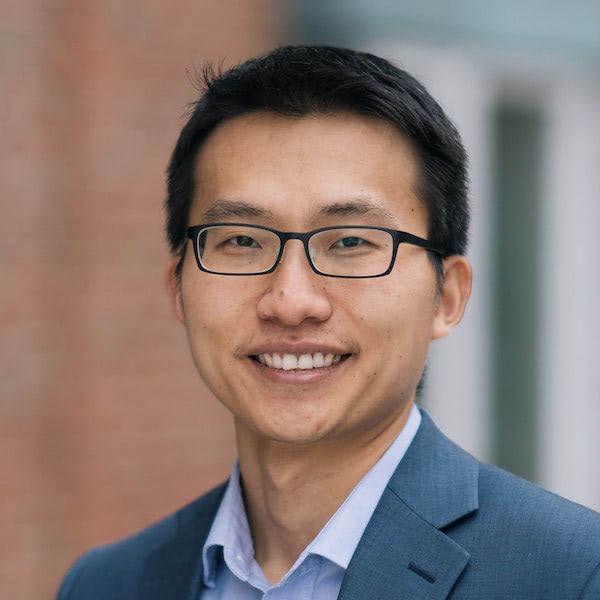
HUI FANG
Speaker
Hui Fang received his B.S. degree in 2009 from Tsinghua University and his Ph.D. degree in 2014 from the University of California, Berkeley, both in Materials Science and Engineering. He was then a postdoctoral fellow at the University of Illinois at Urbana-Champaign from 2014 to 2016. After starting his independent career in August 2016, he joined Dartmouth College in July 2021 as an Associate Professor of Engineering. Fang’s research interests encompass the fields of neuroelectronics, electronic materials, and semiconductor devices. His research has been recognized by multiple awards, including an NSF CAREER Award (2019) and Dartmouth Engineering’s Distinguished Research Award for Faculty (2025). Dr. Fang currently directs the Micro/Nano-Fabrication Facility at Dartmouth and also serves as a standing member of the Bioengineering and Tissue Engineering for Neuroscience (BTEN) study section at the National Institutes of Health.
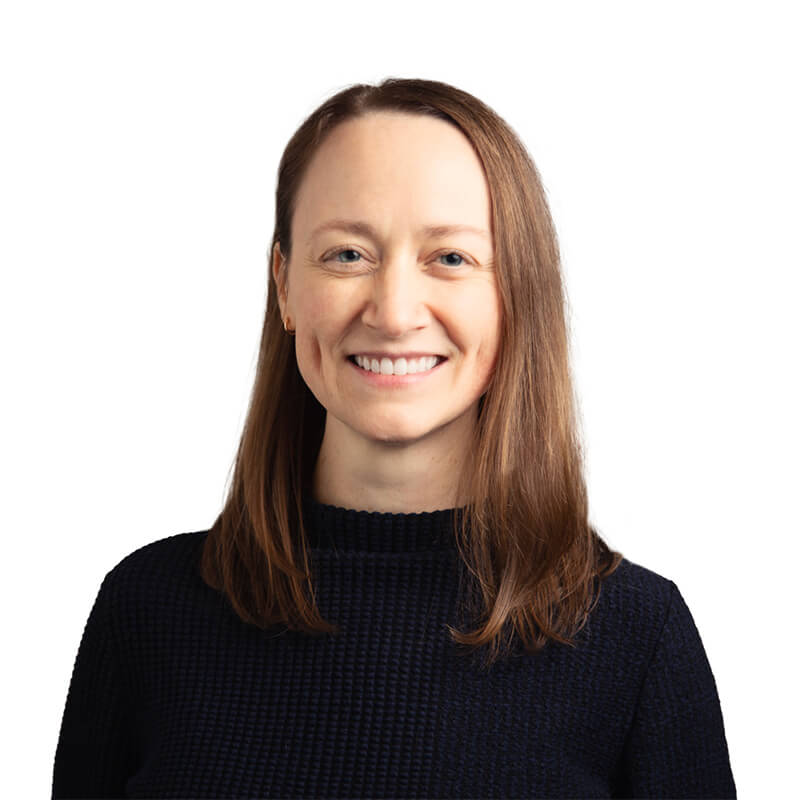
JULIE HARRIS
Speaker
Harris was previously the Vice President of the Paul G. Allen Frontiers Group and the Executive Vice President of Research Management at the Cure Alzheimer’s Fund. At CureAlz, she oversaw the funding strategy and research priorities for a ~$29 million grant portfolio in support of the most promising science and scientists working to end the burden of Alzheimer’s disease. Between 2011 and 2020, she worked at the Allen Institute for Brain Science as a researcher and Associate Director of Neuroanatomy, where she played pivotal roles building several of the Institute’s signature, foundational open science resources including the Allen Mouse Brain Connectivity Atlas and the Allen CCFv3. Harris was also previously the Vice President of Preclinical Biology at Cajal Neuroscience, a Seattle biotech startup focused on identifying therapies for neurodegenerative disease. She received a B.S. in Zoology from Michigan State University, a Ph.D. in Neurobiology and Behavior from the University of Washington.
ANDREW HICKL
Speaker
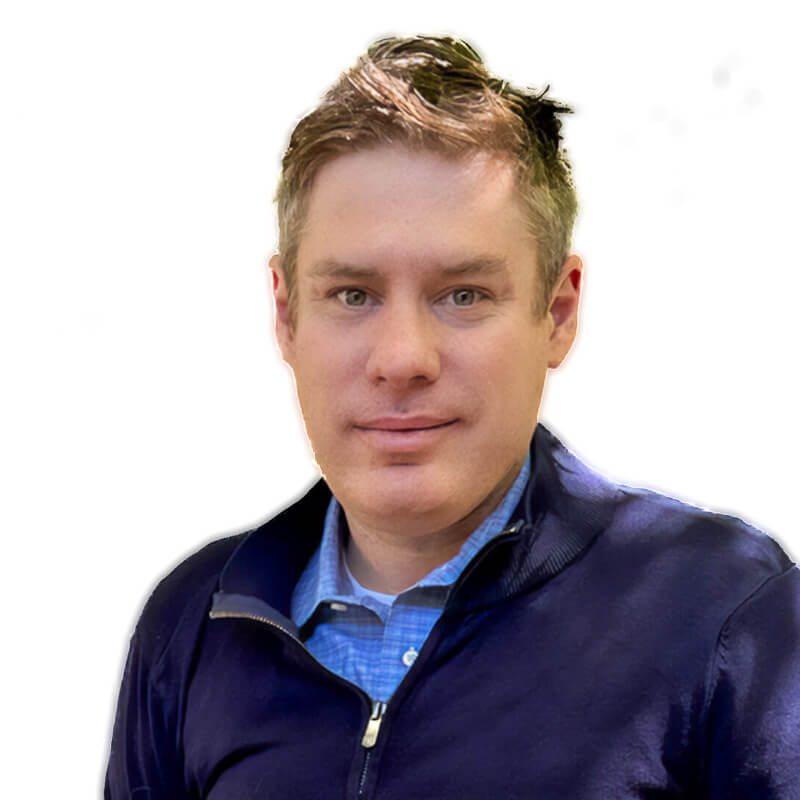
Hickl specializes in natural language understanding, with particular focus on question-answering, information extraction, and textual inference. Passionate about scaling AI systems, he has also contributed to building large foundation models and developing AI-based modeling and simulation platforms. In past work, Hickl served as Principal Investigator on multiple projects with IARPA, DARPA, and the U.S. Department of Defense. His work appears in AAAI, ACL, SIGIR, and NeurIPS.
FREDERICK F. LANG
Speaker

STEPHANIE SEIDLITS
Speaker
FRANK WILLETT
Speaker
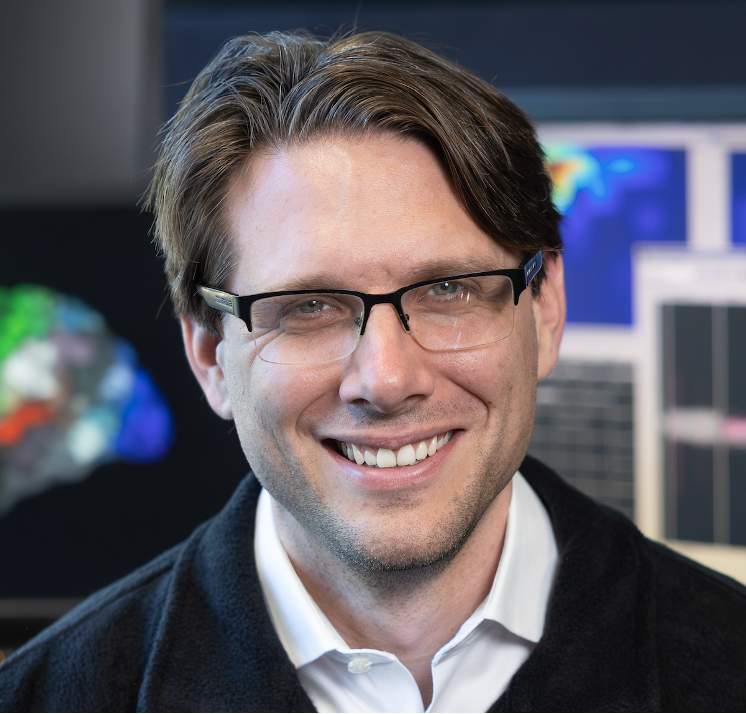
Frank Willett is co-director of the Neural Prosthetics Translational Laboratory. His group develops brain-computer interfaces (BCIs) to restore movement and communication to people with neurological disorders. Recent contributions include handwriting and speech-based BCIs that set new records for communication speed and accuracy in people with paralysis. More broadly, he is interested in computational approaches to understanding brain function and recordings, with a focus on how the human brain represents movement and language.
BOB WILSON
Speaker
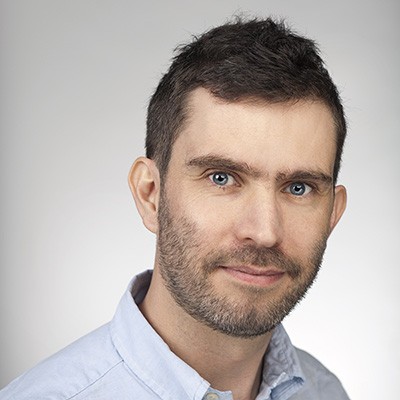
Bob Wilson is the Smithgall-Watts Associate Professor of Psychology and Director of the Center of Excellence for Computational Cognition at Georgia Tech. His research focuses on building computational models of cognitive processes ranging from simple decision making tasks in the lab to complex real-world behaviors such as navigation and phishing email detection.
ANQI WU
Speaker
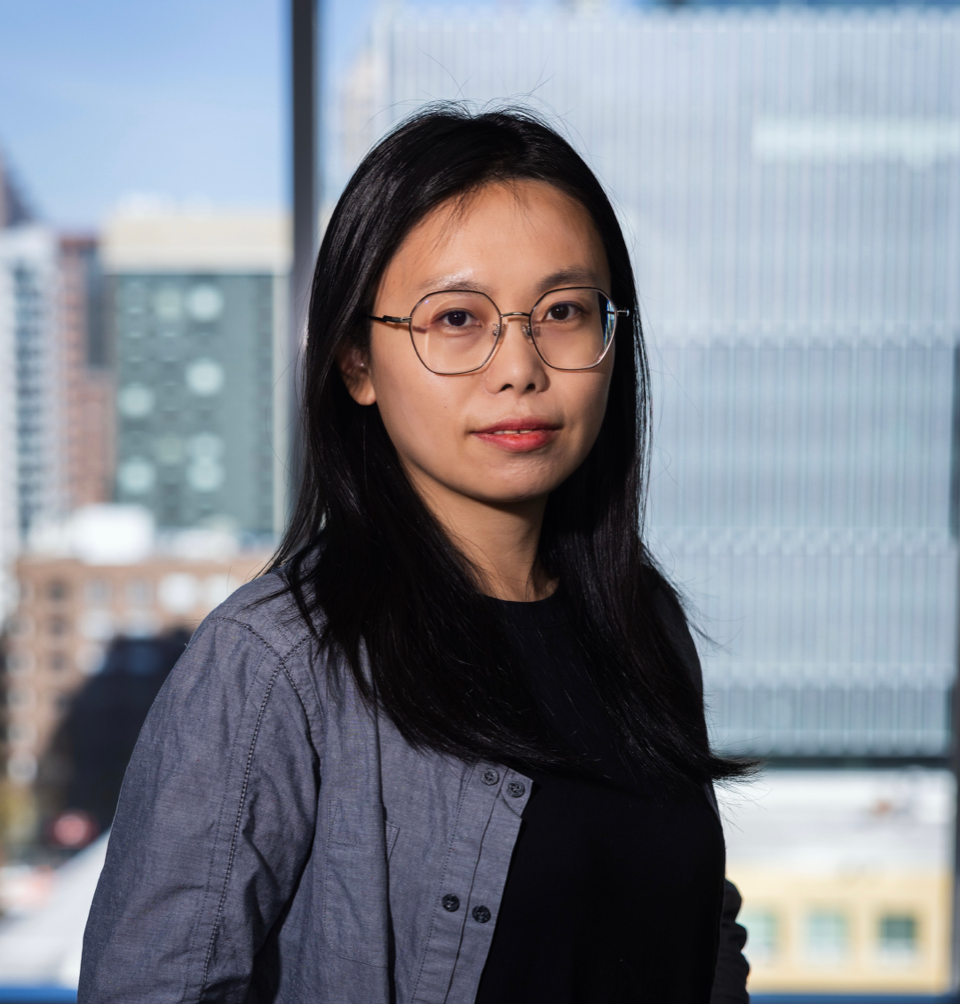
Anqi Wu is an Assistant Professor at the School of Computational Science and Engineering (CSE), Georgia Institute of Technology. She was a Postdoctoral Research Fellow at the Center for Theoretical Neuroscience, the Zuckerman Mind Brain Behavior Institute, Columbia University. She received her Ph.D. degree in Computational and Quantitative Neuroscience and a graduate certificate in Statistics and Machine Learning from Princeton University. Anqi was selected for the MIT Rising Star in EECS, DARPA Riser, Alfred P. Sloan Fellow, and Kavli Fellow by National Academy of Sciences. Her research focuses on developing scientifically grounded statistical models to uncover structure in neural and behavioral data at the intersection of machine learning and computational neuroscience. She is broadly interested in creating data-driven models to advance both animal and human studies in systems and cognitive neuroscience.
CECI VERBAARSCHOT
Speaker